




East Croydon station rubbish removal guide CR0
Posted on 19/06/2026
If you live, work, commute, or manage a property near East Croydon station, rubbish can build up fast. One overflowing flat move-out, a small office refresh, or a weekend clear-out after a busy few days can leave you with more waste than you planned for. This East Croydon station rubbish removal guide CR0 breaks down what to do, how the process works, and how to choose the safest, cleanest way to clear it without turning a simple job into a stressful one.
East Croydon is busy, practical, and always on the move. That helps in many ways, but it also means waste removal needs to be organised properly. Narrow access, time pressure, parking, awkward lift access, and shared entrances can make a straightforward clearance feel oddly complicated. The good news? It does not have to be. With a bit of planning, the right service approach, and some common-sense checks, you can get rid of rubbish efficiently and keep the whole thing tidy.
Below, you will find a clear, local, human guide with step-by-step advice, common mistakes to avoid, a comparison table, a checklist, and answers to the questions people actually ask. If you want a broader look at the available options first, the services overview is a sensible place to start.
Why East Croydon station rubbish removal guide CR0 Matters
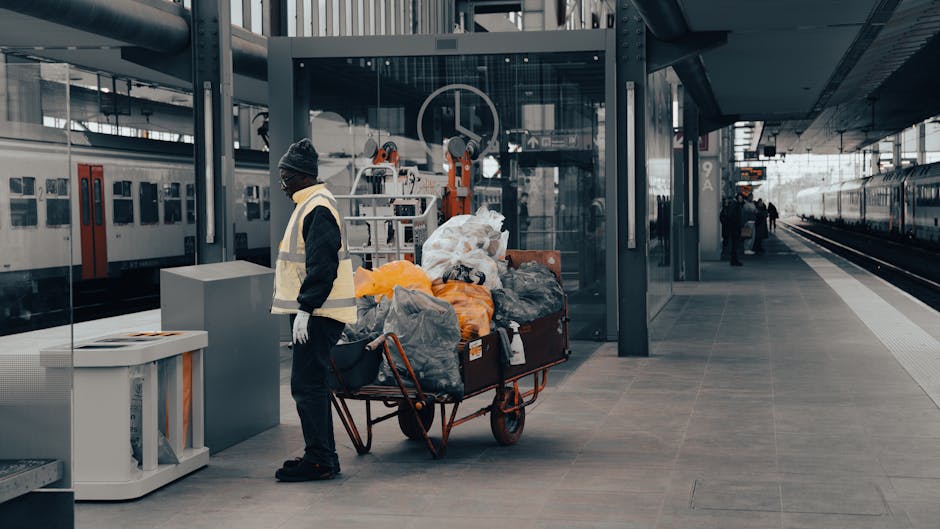
Rubbish removal around East Croydon station is not just about chucking things away. The station sits in a very active part of Croydon, with commuters, residents, landlords, retailers, office tenants, and tradespeople all sharing the same streets and the same limited space. That creates a few very real problems: waste can block entrances, attract complaints, and make a property look neglected almost overnight.
For landlords and sellers, the timing matters too. A flat that is half-cleared before viewings starts to feel smaller and more chaotic. A messy hallway outside a station-side office does the opposite of what you want. And for small businesses, even a short delay in clearance can mean the back area becomes a spillover zone for old packaging, broken furniture, or mixed waste. Not ideal. Not even close.
There is also the local reality of CR0. East Croydon is a place where people move quickly. Deliveries, contractors, cleaners, and removals often have to fit into tight windows. That means rubbish removal has to be planned with access, timing, and the type of waste in mind. If you ignore those details, the job gets slower and, frankly, more expensive than it needs to be.
Expert summary: In busy station areas, the best rubbish removal is the kind nobody notices. It is quick, controlled, and leaves the property cleaner than it was before. That is the standard worth aiming for.
If you are dealing with a broader property clearance, it may help to compare service types. For example, larger clear-outs often sit better under waste clearance in Croydon, while household-only jobs may be better suited to house clearance Croydon.
How East Croydon station rubbish removal guide CR0 Works
At a practical level, rubbish removal near East Croydon station usually follows the same broad pattern: identify the waste, assess access, agree collection, and make sure the items are taken away safely and legally. Simple on paper. Slightly less simple in real life, because station-side buildings often come with stairs, loading restrictions, shared entrances, and a fair amount of foot traffic.
Most jobs begin with a description of what needs removing. That might be bagged household waste, office chairs, dismantled shelving, builders' rubble, old appliances, garden clippings, or a mixed load after a move. The more accurate your description, the easier it is to estimate labour, vehicle space, and the time needed on site. A quick photo or two often saves a lot of back-and-forth. Nothing fancy.
Then comes access. Near East Croydon, this is often the bit people underestimate. Is there parking close enough? Is there lift access? Are there stairwells, codes, or shared corridors? Can the waste be brought down in one run, or will it need careful handling in smaller loads? These details make a big difference. They can also affect whether a clearance is best handled as a standard rubbish removal job or as a more structured site clean-up.
Finally, there is disposal. Good waste removal is not just about taking things away; it is about separating what can be reused, recycled, or disposed of properly. If you are interested in how a provider approaches this side of the job, the page on recycling and sustainability gives a better sense of the standards you should expect.
In practice, the smoother jobs near East Croydon often have one thing in common: the customer has already sorted what stays, what goes, and what needs special handling. That little bit of prep can save a lot of time. And a lot of awkward carrying up and down stairs, which nobody enjoys, really.
Key Benefits and Practical Advantages
The obvious benefit is getting rid of clutter. But in a busy local area like East Croydon, the practical advantages go quite a bit further than that.
- Cleaner access: hallways, entrances, loading points, and shared spaces become safer and easier to use.
- Better time control: a planned collection is usually faster than trying to move waste piecemeal over several days.
- Reduced stress: you avoid the "where on earth do I put this?" problem that tends to grow after a move or renovation.
- Improved presentation: useful if you are letting, selling, or preparing a business premises for customers.
- More responsible disposal: reusable and recyclable items can be separated more effectively when the removal is organised properly.
There is also a practical money angle. A well-planned collection often reduces wasted labour time. If a team can collect everything in one visit instead of returning for forgotten items, you avoid paying for avoidable repeat work. That is one reason clear instructions matter so much.
And let's be honest, a clean space just feels better. You notice it when you open the door and there is room to breathe again. A station-side flat or office can go from cluttered to calm surprisingly quickly.
For trade waste, the benefit is even more visible. If you are managing a project nearby, specialised support such as builders waste disposal Croydon can help keep the job site moving without piles of offcuts and packaging getting in the way.
Who This Is For and When It Makes Sense
This kind of service is useful for a lot of people, not just one type of customer. In our experience, the most common reasons people need rubbish removal near East Croydon station are tied to busy life transitions and tight urban spaces.
You might need it if you are:
- moving out of a flat near the station
- clearing furniture after a tenancy change
- preparing a property for sale or rent
- emptying an office or small workspace
- removing old appliances or bulky household items
- tidying up after a refurb, repair, or decorating job
- dealing with garden waste from a small outdoor area
There are also situations where a specialist clearance makes more sense than a general waste collection. If you have a room full of mixed household items, clothing, soft furnishings, and old storage boxes, a house clearance service is usually a better fit. If you are dealing with desks, chairs, files, and office fit-out leftovers, an office clearance service may be the more efficient route.
On the other hand, if the waste is general and varied, a broader rubbish removal Croydon service can be the most flexible option. Truth be told, most people near East Croydon do not need a complicated solution. They just need the right one.
Step-by-Step Guidance
Here is a straightforward way to handle rubbish removal around East Croydon station without making the process harder than it needs to be.
- Sort the waste first. Separate general rubbish, bulky items, recyclables, and anything that may need special handling.
- Measure the access. Check stairs, lift sizes, corridor width, and any parking or loading restrictions.
- Take clear photos. Good photos help with quoting and make expectations much clearer from the start.
- Decide what stays. This sounds obvious, but it is where many delays begin. A quick final walk-through helps.
- Ask how the waste will be handled. Good providers should be able to explain whether items will be reused, recycled, or disposed of.
- Prepare the area. Move fragile items, clear walkways, and make sure the team can get to the waste without obstacle courses.
- Confirm timing. Near a station, short windows matter. A reliable schedule avoids clashes with traffic, deliveries, or building access.
- Check what is excluded. Certain items may need special arrangements, so it is better to ask upfront.
A small real-world example: if you are clearing a first-floor flat on a weekday afternoon, the job is often easier when the waste is already grouped by room. The team can move quickly, you avoid confusion, and nobody spends ten minutes arguing over whether a chair was meant to stay. It happens more than you think.
Expert Tips for Better Results
Small details tend to make the biggest difference. That is especially true near East Croydon, where access and timing can shape the whole job.
- Photograph the full load before collection. It helps with accuracy and avoids misunderstandings.
- Keep pathways clear. The faster waste can move from the property to the vehicle, the smoother the clearance.
- Bundle similar items together. Cardboard with cardboard, wood with wood, mixed bags together. Simple, but effective.
- Be clear about awkward items. Wardrobes, mattresses, monitors, and broken furniture often need extra handling.
- Plan around local traffic. In the morning rush or after work, even a short job can take longer than you expect.
- Keep a little flexibility. Access issues happen. A lift might be temporarily out, or a loading point may be tighter than planned.
If your clearance is tied to a property move, it can also help to think about the wider timeline. For example, a home that is being prepared for listing can benefit from a coordinated approach, and the article on selling your home in Croydon is useful background if you are in that situation.
One more thing: do not leave the "small stuff" until the end. The small stuff becomes the big stuff at 7.30 a.m. the next day. Ask anyone who has done a last-minute clear-out, and they will nod knowingly.
Common Mistakes to Avoid
Most clearance problems are preventable. A few oversights cause most of the hassle.
- Underestimating volume. One corner of a room can look manageable until you start moving it. Then it is suddenly three loads, not one.
- Not checking access first. Narrow stairwells, locked gates, and parking restrictions can slow everything down.
- Mixing unwanted and wanted items. Once things are bagged or stacked together, sorting them later becomes irritating very quickly.
- Forgetting shared-space etiquette. In flats near East Croydon, neighbours and building managers notice if hallways are blocked.
- Choosing purely on price. Cheap is not always efficient, and efficiency matters when time and access are tight.
- Ignoring specialist waste. Some items need specific treatment, so do not assume everything can be handled the same way.
A quiet mistake people make is assuming rubbish removal and waste clearance are always the same thing. They overlap, sure, but the scope can differ. If the job is larger, mixed, or includes different waste types from a property or commercial setting, a broader waste clearance Croydon option may be the safer fit.
Tools, Resources and Recommendations
You do not need a van and a mountain of gear to prepare for collection, but a few simple tools help enormously.
- Strong bags or boxes: useful for smaller loose items and broken-down materials.
- Labels or marker tape: helps identify what is to be removed and what must stay.
- Measuring tape: handy when checking whether large furniture will fit through access points.
- Gloves: sensible for sorting mixed waste safely.
- Phone camera: probably the most useful tool of all for documenting the load.
For service selection, it helps to look at three things: the type of waste, the level of access, and the outcome you want. A single bulky sofa is different from a full office clear-out. A mixed renovation pile is different again. Choosing the right service from the outset saves time and avoids a bit of back-and-forth that nobody really has energy for.
If you want to understand service standards and business approach before booking, you may also find the about us page useful, especially if reliability, communication, and local experience matter to you. For customers who want to compare practical next steps or budget before booking, the page on pricing and quotes is a sensible reference point.
And if safety is a priority, which it should be, review the company's approach to insurance and safety. That is one of those pages people skip until they wish they had not.
Law, Compliance, Standards, or Best Practice
With waste, the important thing is not to guess. In the UK, waste must be handled responsibly and taken to appropriate facilities by people who understand what they are doing. You do not need to memorise legislation to make a good decision, but you should expect lawful disposal, sensible sorting, and basic care around potentially hazardous items.
Best practice usually means:
- keeping different waste streams separated where practical
- avoiding fly-tipping at all costs
- checking that waste is transferred and handled properly
- being careful with electrical items, sharp waste, and bulky loads
- making sure access routes are kept safe for residents and the public
Near a busy station, there is also a public-space responsibility. Bags left on pavements, blocked entrances, and debris dropped in shared areas can cause problems quickly. It is one reason well-run removals are planned rather than improvised. There is a difference between a tidy job and a "we'll just stack it here for now" job, and that difference is often more obvious than people expect.
If you care about responsible handling and wider environmental standards, the site's recycling and sustainability information is worth a look. It gives context to the way good waste management should feel: practical, careful, and not wasteful.
Options, Methods, or Comparison Table
Different waste situations call for different methods. Here is a simple comparison to help you choose what makes sense.
| Method | Best for | Strengths | Limitations |
|---|---|---|---|
| DIY disposal | Very small amounts, light bags, a few easy items | Low immediate cost, flexible timing | Time-consuming, awkward access, vehicle and loading effort, disposal responsibility on you |
| General rubbish removal | Mixed household or light commercial waste | Quick, practical, less hassle, ideal for busy sites | May not suit specialist waste without notice |
| House clearance | Full or partial home clear-outs | Efficient for furniture, boxes, and room-by-room clearing | May be more service than you need for a small load |
| Office clearance | Desks, chairs, files, and workspace fittings | Good for business moves and refurbishments | Needs good access planning and item list detail |
| Builders waste disposal | Renovation debris, offcuts, rubble, packaging | Designed for heavier project waste | Not the best choice for domestic-only clearances |
For many people near East Croydon station, the best option is not the cheapest or the most complicated one. It is the one that matches the waste type and the access conditions. That sounds simple, but it is the part most people miss until the day of collection.
Case Study or Real-World Example
Here is a typical local scenario. A resident in a flat a short walk from East Croydon station is moving out after a tenancy ends. The flat contains a broken bed frame, two wardrobes, several bin bags of mixed household waste, some small electronics, and a stack of cardboard from new furniture deliveries. The lift is narrow, the stairwell is shared, and the road outside gets busy by mid-morning.
Rather than leaving everything until the final day, the resident separates the items by type two days before collection. The bed frame is partly dismantled, cardboard is flattened, and the smaller waste is bagged. Photos are taken, the access route is cleared, and a narrow time slot is chosen before the station area becomes hectic.
The result? The clearance is completed quickly, the hallway stays tidy, the neighbours are not inconvenienced, and the flat is left ready for handover. Nothing dramatic, just sensible planning. That is usually how the smooth jobs go.
In a similar office scenario, a small team near the station may need to remove old chairs, under-desk storage, and packaging after a layout change. A structured office clearance approach keeps the workspace usable and reduces the risk of disruption. It is not glamorous, but it works. And that matters more.
Practical Checklist
Use this checklist before booking or on the morning of collection.
- Identify exactly what needs removing
- Separate waste that must stay from waste that goes
- Take clear photos of the load
- Check stairs, lifts, gates, and parking access
- Flatten cardboard and dismantle simple furniture where possible
- Keep entrances, corridors, and shared spaces clear
- Ask about any items that need special handling
- Confirm timing, especially during busy commuting hours
- Review safety and insurance information before agreeing the job
- Make sure the final area is swept and left tidy
One tiny tip that saves hassle: keep a separate "maybe" pile. If something might be reused, sold, or donated, do not let it disappear into the main clearance pile by accident. It happens. More than once.
Get a free quote today and see how much you can save.
Conclusion
East Croydon station rubbish removal in CR0 is really about one thing: making a busy, awkward job feel simple again. The station area has enough moving parts without adding clutter, blocked access, and last-minute confusion. When you plan well, sort the waste properly, and choose the right clearance method, the process becomes much easier than people expect.
Whether you are clearing a flat, refreshing an office, handling post-build waste, or just getting rid of a stubborn pile that has been sitting there far too long, the key is to match the solution to the reality on the ground. A little organisation goes a long way. And the relief when the space is finally clear? Properly satisfying.
If you are weighing up your next step, keep it practical, keep it safe, and do not overcomplicate it. A clean space has a way of making everything else feel more manageable. That is a good place to end, really.


 Tipper Van - Junk Removal and Rubbish Removal Prices in Croydon, CR0
 Luton Van - Junk Removal and Rubbish Removal Prices in Croydon, CR0